
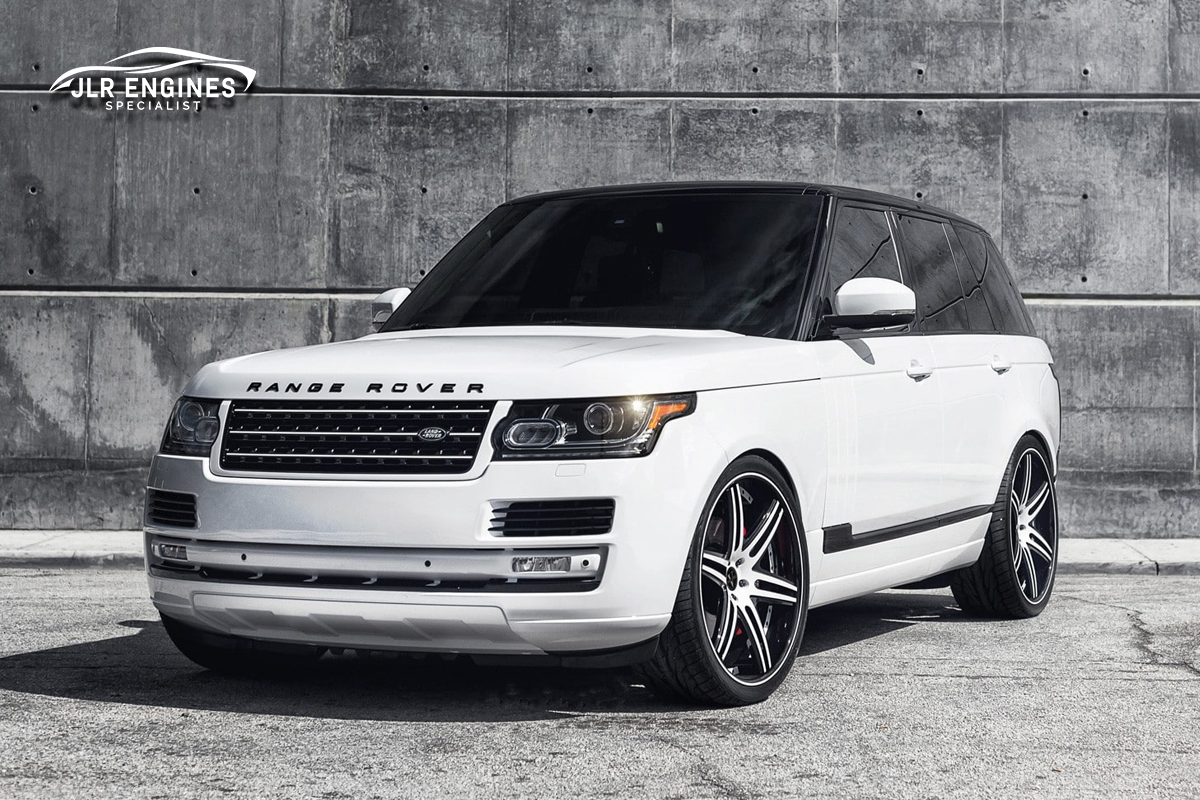
Towing is a critical performance measure for many SUV buyers, especially those considering a Range Rover. The 2.0-litre Range Rover engine, known for balancing power with efficiency, often raises questions about its towing capability. While many assume that a smaller engine might lack strength, modern engineering has transformed what 2.0 engines can achieve. Whether you’re towing a trailer, boat, or caravan, understanding what this engine can handle is vital for safe and reliable usage. Additionally, with reconditioned engines becoming more popular as a cost-effective replacement option, it’s essential to know if they retain the same towing power. This article explores the complete towing performance of the Range Rover 2.0 engine and considers whether reconditioned engines are suitable substitutes for towing requirements.
Power and Torque Ratings of the Range Rover 2.0 Engine
The core attributes of any engine’s towing capability lie in its horsepower and torque ratings. The Range Rover 2.0-litre engine typically produces around 246 to 296 horsepower and approximately 365 Nm to 400 Nm of torque, depending on the variant. These figures are quite impressive for a 2.0 engine, thanks to turbocharging and intelligent engine management systems. Torque is particularly important for towing, as it reflects the engine’s ability to pull heavy loads from a standstill and maintain stability while in motion. The torque band in the Range Rover engine is wide, offering consistent performance even at lower RPMs—a necessary characteristic for towing on inclines or rough terrain. This robust torque delivery ensures the 2.0 engine performs above expectations, especially when compared to similarly sized engines in competitor vehicles.
Towing Capacity: Official Ratings and Real-World Scenarios
According to Land Rover’s specifications, the standard towing capacity of the Range Rover with the 2.0 engine can reach up to 2,500 kg (5,511 lbs), which is suitable for small to mid-sized trailers, boats, and even some light caravans. These ratings are supported by advanced towing assistance technologies, such as Trailer Stability Assist and Advanced Tow Assist, which aid in maneuverability and safety. Real-world users have reported towing trailers with two horses or 6-meter-long boats without significant issues. However, staying within 80% of the maximum towing limit is recommended for frequent towing to ensure drivetrain longevity. If you’re planning to tow heavier loads regularly, considering higher-capacity models may be advisable. Still, for everyday and seasonal towing needs, the 2.0 Range Rover engine is more than capable.
Driving Experience While Towing with the Range Rover Engine
When it comes to the actual driving feel, the Range Rover 2.0 engines delivers a surprisingly smooth towing experience. The vehicle’s advanced suspension and weight distribution systems play a major role in stabilizing the load. The turbocharged powertrain ensures that the SUV doesn’t feel underpowered, even on steep grades. Hill Descent Control and Terrain Response systems further assist with towing in off-road or slippery conditions. Whether you’re towing on highways or navigating through rural terrains, the engine maintains responsiveness and control. Furthermore, the 8-speed automatic gearbox works harmoniously with the power output, minimizing gear hunting during incline or acceleration. Many drivers are pleasantly surprised by how effortless towing feels with the 2.0 engine, which performs like a much larger powerplant thanks to its refined engineering.
Impact of Towing on Engine Longevity and Maintenance
While the Range Rover 2.0 engine is capable of towing, heavy and frequent towing can put additional stress on engine components, transmission, brakes, and suspension. Regular towing under load increases the operating temperature, which may affect engine oil viscosity and coolant performance. Therefore, adhering to a strict maintenance schedule is crucial. This includes more frequent oil changes, transmission fluid checks, and brake inspections. If you’re using a reconditioned engine, it’s essential to ensure it has undergone proper testing and component replacement—particularly the head gasket, turbocharger, and cooling system. Reconditioned engines that meet OEM standards can tow just as reliably as new ones, provided they’re maintained properly. Investing in quality parts and routine inspections will preserve both towing performance and engine life.
Benefits and Limitations of Using Reconditioned Engines for Towing
Reconditioned engines have grown in popularity due to their cost-effectiveness and environmental benefits. These engines are thoroughly cleaned, inspected, and rebuilt with new or re-machined parts to restore them to near-original condition. A reconditioned Range Rover engine can offer nearly identical towing performance to a factory-fresh unit if built correctly. However, the key lies in quality assurance. Not all reconditioned engines are created equal—choosing a reputable supplier that provides warranty and testing data is critical. While some might argue that reconditioned engines aren’t suitable for heavy towing, this is largely a myth. If the reconditioning process involves thorough component replacement and performance testing, the engine should be fully capable of towing within factory-rated limits. Always consult your mechanic and confirm towing suitability post-installation.
Advanced Technologies Supporting Towing Performance
What enhances the towing performance of the Range Rover 2.0 engine isn’t just raw power—it’s the suite of intelligent technologies built into the vehicle. The Adaptive Dynamics system continually monitors vehicle movements up to 500 times per second, optimizing suspension for towing stability. All-Wheel Drive (AWD) distributes torque to the appropriate wheels to maintain traction. Trailer Stability Assist detects trailer sway and applies braking to individual wheels, helping the driver regain control. Furthermore, the Advanced Tow Assist uses cameras and steering inputs to make reversing with a trailer almost effortless. These innovations ensure that towing with a smaller engine doesn’t compromise safety or confidence. Even when paired with a reconditioned engine, these features function seamlessly, as most of them are integrated with the vehicle’s chassis and electronic systems, not just the engine.
Comparing the 2.0 Engine with Larger Range Rover Powertrains for Towing
While the 2.0 engine is certainly capable, how does it compare to the 3.0-litre or 5.0-litre variants in the Range Rover lineup? Larger engines naturally offer greater towing capacities—up to 3,500 kg in some cases—and more torque, which provides extra margin for heavier hauls or frequent usage. If you’re towing something heavy every weekend or hauling across mountainous terrains, a larger engine might be more appropriate. However, the trade-off is reduced fuel economy and higher emissions. For drivers who only tow occasionally and value fuel efficiency, the 2.0 engine is an ideal middle ground. In terms of cost, a reconditioned 2.0 Range Rover engine also presents a more affordable alternative, offering decent towing ability without the price premium of larger engines.
